Building AI Awareness and Safe Use in Education – Empowering Thailand's Digital Future Through Infrastructure and Literacy
- IT Harmonyx
- 4 days ago
- 2 min read
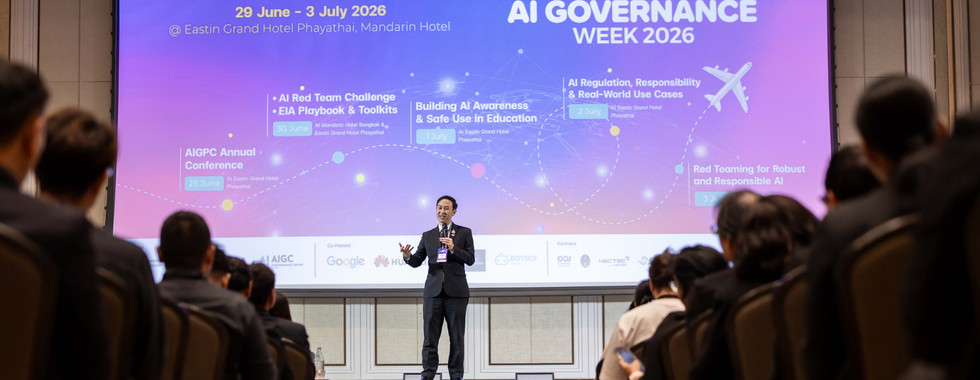
Bangkok, 1 July 2026 – On the third day of AI Governance Week 2026 (AIGW 2026), the spotlight turned to the foundation of Thailand's digital future: infrastructure and education. The central message of the day was clear—advancing into the AI era requires more than just cutting-edge models; it demands robust digital infrastructure, clear governance, and an education system that cultivates critical thinking and AI literacy.
The full-day session brought together policy makers, educators, and industry experts to discuss how Thailand can safely and equitably integrate AI into society and classrooms.
The Bedrock of AI Readiness: Digital Infrastructure
Mr. Wetang Phuangsup, Secretary-General of the National Board of Digital Economy and Society, emphasized that Thailand's AI journey does not start from zero. Over the past years, the country has heavily invested in digital foundations, including the Net Pracharat project, 5G networks, and digital payment systems. However, infrastructure alone is insufficient without trust. To ensure AI serves as a public utility that everyone can access safely, Thailand must continue advancing laws like the PDPA and Cybersecurity Act. When digital infrastructure is strong and governance is clear, AI transforms from a niche technology into a powerful force for the digital economy.
AI in Schools: AI Draft, Human Craft
Focusing on basic education, Mr. Eakasit Piyasangtong from the Office of the Basic Education Commission (OBEC) revealed a significant transformation in Thai classrooms: over 94% of surveyed teachers are already using AI tools like ChatGPT and Canva AI. However, the core message remains "AI Draft, Human Craft." While AI can ideate and organize, decision-making and empathy must remain in the hands of teachers. Preparing schools involves two dimensions:
Learning with AI: Using AI to support teaching and reduce routine workloads.
Learning about AI: Teaching students the risks, biases, and ethics behind the technology. The session stressed the urgent need for clear guardrails regarding privacy, fairness, and accountability to ensure no student is left behind.
Higher Education: Balancing Innovation and Academic Integrity
Assoc. Prof. Dr. Sinchai Kamolphiwong introduced the ASEAN AI Governance and Ethics Framework for Higher Education, emphasizing that universities must redefine Academic Integrity in the Generative AI era. The framework highlights the concept of Human Oversight—where humans don't just exist "in the loop" but have the real ability to review, intervene, and escalate issues. As "Agentic AI" and personal "Buddy Learners" emerge, institutions must prevent "Cognitive Offloading," ensuring AI acts as a mentor rather than a substitute that undermines a student's critical thinking.
Transforming the Purpose of Education
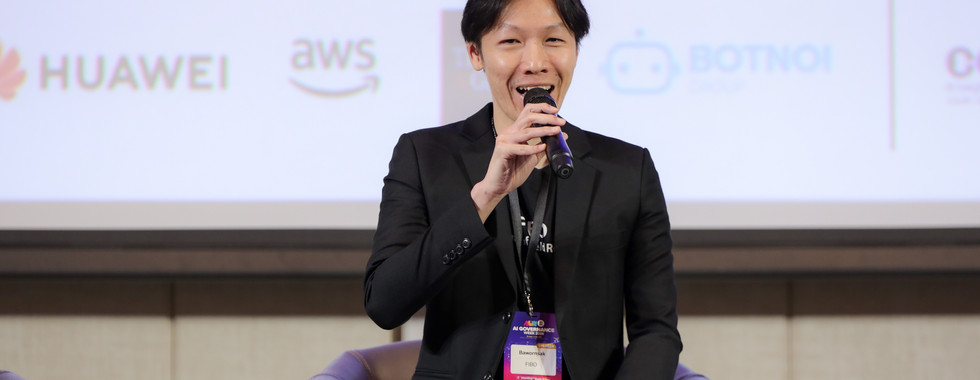
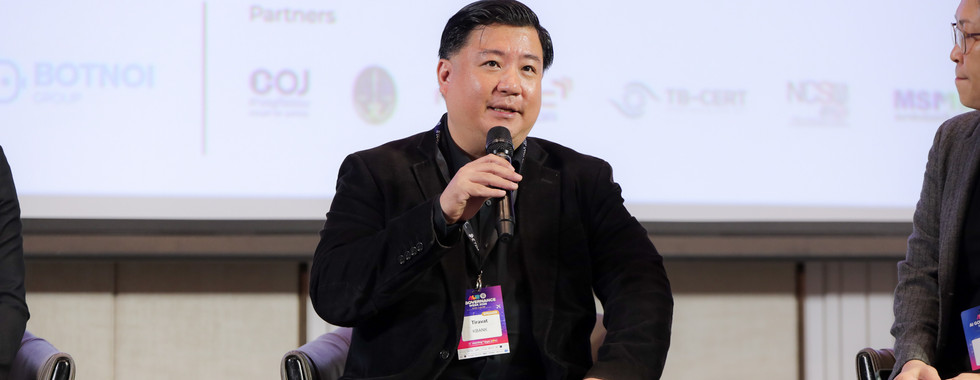
A multi-sector panel featuring experts from OBEC, IPST, FIBO, KBank, and ETDA concluded that AI is changing the very purpose of education. If the system continues to focus solely on finding a single correct answer, AI will merely become a shortcut. To build a future-ready workforce, assessment methods must shift from measuring the final answer to evaluating the thinking process. AI Literacy must be taught alongside Data Privacy and Digital Ethics from an early age.
Ultimately, the goal is not to measure a school or university by how extensively it uses AI, but by its ability to develop learners who think deeply, solve real-world problems, and use technology responsibly.























Comments